
- 28/09/2026
- Dr. Pratik Patil
- 0 Comments
- Blog
What to Expect During Day Care Chemotherapy? Step-by-Step Process & Duration
Medically Reviewed by Dr. Pratik Patil - Senior Medical Oncologist with 14+ Years of Clinical Expertise.
Quick Answer: Day care chemotherapy is an outpatient cancer treatment where intravenous infusions are administered in a specialized oncology unit, allowing patients to return home on the same day. Knowing what to expect during day care chemotherapy involves pre-treatment blood evaluations, premedication protocols, comfortable infusion monitoring, and post-care recovery guidelines managed closely under the guidance of Dr. Pratik Patil.
Introduction: Understanding Outpatient Day Care Chemotherapy
Facing a cancer diagnosis brings many questions, particularly regarding how treatments fit into daily life. Traditional cancer care often required prolonged hospital stays, but modern advancements have transformed outpatient oncology. Day care chemotherapy allows patients to receive powerful antineoplastic treatments safely and return to the comfort of their homes on the same day.
For patients and families exploring treatment options, understanding the chemotherapy and logistical details helps alleviate anxiety. Receiving expert medical guidance from Dr. Pratik Patil ensures that every phase of your outpatient journey is handled with precision, safety, and deep compassion.
What is Day Care Chemotherapy and Who Is It For?
Day care chemotherapy refers to the administration of chemotherapeutic treatment in an outpatient setting where overnight hospital stays are unnecessary. Patients arrive at the specialized oncology unit in the morning, receive their scheduled infusion, and go home the same afternoon.
This approach is ideal for patients with solid tumors, hematological conditions, or those undergoing maintenance therapy who maintain stable vital signs and strong social support systems at home. While many patients wonder whether chemotherapy cure cancer or can chemotherapy cure cancer, day care regimens are tailored precisely to individual staging, cancer types, and overall health goals determined during your initial Medical Oncology Consultation.
Preparing for Your Day Care Chemotherapy Session:
Thorough preparation ensures your body is ready for treatment and minimizes unexpected delays at the outpatient center.
Pre-Treatment Blood Tests and Health Evaluation:
Before any infusion begins, careful evaluation of your blood counts, kidney function, and liver enzymes is mandatory. These diagnostic checks, often tied to broader Cancer Screening and Diagnostics protocols, confirm that your immune system and organ function are strong enough to safely tolerate the next drug cycle.
What to Bring and Wear to Your Appointment?
To stay comfortable during a multi-hour session, patients should prepare ahead:
- Comfortable Clothing: Wear loose-fitting garments, preferably with short sleeves or button-ups, to allow easy access to your arm or vascular port.
- Entertainment and Comfort: Bring a book, headphones, a tablet, or a warm blanket, as treatment rooms can be cool.
- Essential Items: Carry all current medication lists, identification, insurance papers, and a light snack or water bottle.
- A Caregiver Companion: Always arrange for a trusted family member or friend to accompany you, as driving home after receiving certain premedications or sedatives is discouraged.
Step-by-Step Day Care Chemotherapy Process:
Step 1
Arrival, Check-In, and Vital Signs Assessment:
Upon entering the facility, you are welcomed by the nursing team, who record your vital signs—including blood pressure, temperature, heart rate, and weight. Your height and weight are especially critical because chemotherapy dosages are calculated strictly based on your body surface area.
Step 2
Pre-Medications and Symptom Prevention:
Before the actual cytotoxic drugs are administered, nurses deliver a round of pre-medications. These typically include intravenous anti-nausea medications (antiemetics), steroids, or antihistamines designed to prevent allergic reactions, nausea, and infusion-related discomfort.
Step 3
The Chemotherapy Infusion Administration:
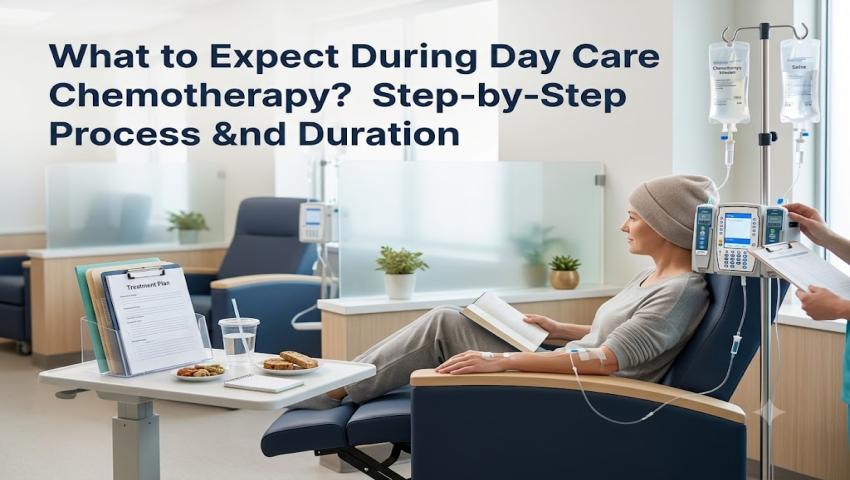
Once pre-medications take effect, the primary infusion begins. Depending on how chemotherapy is given [Volume: 480] or how is chemotherapy given [Volume: 480], the medication is delivered via one of two main methods:
- Peripheral Intravenous (IV) Line: A small catheter placed in a vein in your hand or arm for short sessions.
- Vascular Access Ports (such as a PICC line or implanted port): A specialized central venous catheter that avoids repeated needle sticks for patients undergoing long-term treatment cycles.
During this stage, nurses monitor the infusion site continuously to prevent leakage or vein irritation.
Step 4
Post-Infusion Monitoring and Recovery:
After the chemical infusion concludes, the line is flushed with a saline solution. Nurses monitor your vitals for a brief observation period to ensure you feel stable before discharge.
How Long Does a Day Care Chemotherapy Session Length?
Patients frequently inquire about outpatient chemotherapy session duration and how long does a chemotherapy infusion take. The total time spent at the day care unit varies significantly depending on the drug combinations and cancer type:
Dr. Pratik Patil reviews these timelines with patients in advance, especially when discussing how a multi-week chemotherapy cycle or chemotherapy treatment cycle integrates into your overall care plan.
Managing Immediate Side Effects Before Discharge:
While most side effects appear days later, some patients experience mild immediate reactions while in the unit. The medical team is trained to manage these symptoms instantly:
- Mild Dizziness or Fatigue: Often managed by resting quietly or adjusting hydration levels.
- Chills or Flush Sensations: Controlled quickly by adjusting room temperature or administering mild antihistamines.
- Infusion Site Discomfort: Addressed immediately if any local irritation occurs.
Effective Chemotherapy Side Effect Management begins right inside the unit, ensuring you leave feeling secure and stable.
Important Post-Care Guidelines for Home Recovery:
Transitioning from the day care unit back home requires mindful self-care to support your immune system and manage fatigue.
- Hydration is Vital: Drink plenty of water and clear fluids over the next 48 hours to help your kidneys flush metabolic byproducts safely.
- Rest and Pacing: Allow your body time to rest; fatigue is common during the days following an infusion.
- Gentle Nutrition: Eat small, frequent, nutrient-dense meals that are easy on your digestive system.
- Hygiene and Safety: Practice good hand hygiene and avoid crowded public spaces, especially if your white blood cell count temporarily dips during a standard 21 day chemo cycle [Volume: 390].
- Medication Adherence: Take all prescribed supportive care medications—such as oral anti-nausea pills—exactly as directed by Dr. Pratik Patil.
For patients requiring ongoing support, integrating Palliative and Supportive Care ensures optimal comfort and quality of life throughout your recovery journey.
When to Seek Urgent Medical Attention?
While day care chemotherapy is exceptionally safe, certain red-flag symptoms require immediate medical evaluation. Contact your oncology care team or seek urgent care if you experience:
- A fever of 100.4°F (38°C) or higher, or shaking chills.
- Uncontrolled vomiting or inability to keep fluids down for more than 24 hours.
- Severe chest pain, shortness of breath, or sudden dizziness.
- Uncontrolled bleeding, bruising, or severe pain at the infusion site.
Conclusion:
Navigating chemotherapy requires expert medical oversight, patience, and structured preparation. Day care treatments empower patients to receive advanced care while maintaining their daily routines and spending evenings in the comfort of home. For personalized oncology care and expert guidance tailored to your health needs, consulting Dr. Pratik Patil ensures a safe, compassionate, and comprehensive treatment journey. To schedule a consultation, you can reach out directly at +91 9876543210.
Frequently Asked Questions:
Day care chemotherapy is an outpatient cancer treatment model where patients receive their intravenous medications in a specialized unit and return home the same day. Dr. Pratik Patil coordinates these customized sessions to ensure maximum therapeutic benefit without unnecessary hospital admissions.
A standard day care session lasts anywhere from 2 to 6 hours, depending on the specific drugs prescribed, pre-medication requirements, and post-infusion observation protocols.
Yes, eating a light, easily digestible meal and staying well-hydrated before your appointment is generally encouraged unless your care team specifies otherwise. Avoiding heavy or greasy foods helps minimize nausea.
Common post-infusion effects include fatigue, mild nausea, temporary taste changes, and localized bruising. Dr. Pratik Patil provides a detailed home care sheet and prescription support to manage these symptoms effectively.
Yes, it is strongly recommended that a family member or caregiver accompany you to and from your appointment, especially after receiving pre-medications or sedatives that can impair driving.
Medications are delivered via peripheral IV lines or central vascular access ports depending on your vein health and treatment plan. For complex cases involving targeted therapies or Immunotherapy Treatment, Dr. Pratik Patil tailors the administration route for optimal safety.