
- 16/05/2026
- Dr. Pratik Patil
- 0 Comments
- Blog
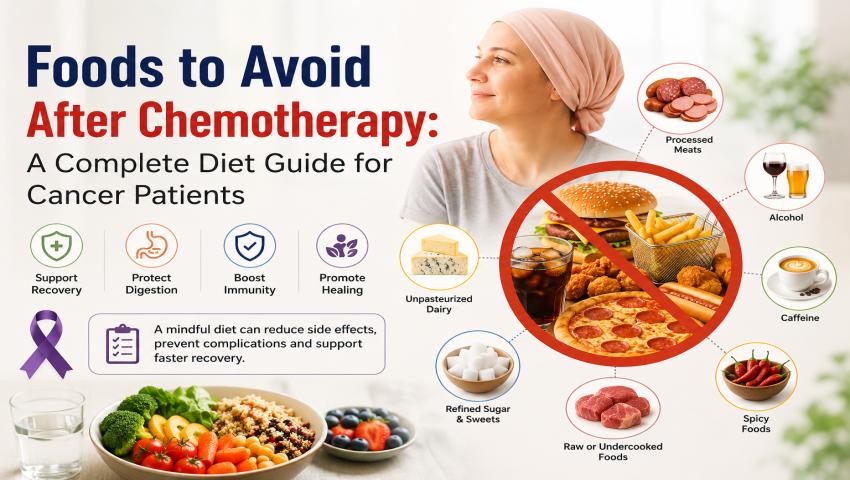
Foods to Avoid After Chemotherapy: A Complete Diet Guide for Cancer Patients
If you or a loved one has recently gone through chemotherapy, one of the first questions that comes to mind is — what should I eat now? According to Dr. Pratik Patil, one of the best oncologists and a trusted cancer doctor based in Pune, India, the right diet after chemotherapy can make a big difference in how fast you recover, rebuild your immunity, and regain your strength.
Chemotherapy is a powerful treatment used for many types of cancers, including Blood Cancer, Cervical Cancer, and lung cancer. Whether you have received neoadjuvant chemotherapy before surgery or completed a full course, your body needs time and proper nutrition to heal. Chemotherapy medicine affects not just cancer cells but also healthy cells — especially in your digestive system, immune system, and mouth.
This is why foods to avoid after chemotherapy are just as important as what you should eat. Many patients make the mistake of going back to their old eating habits too soon. Foods like raw salads, unpasteurised dairy products, and oily street food can be very harmful during recovery. We will see in detail about these and many more foods to avoid, and also what you can safely eat to support your healing.
Why Diet Matters So Much After Chemotherapy?
Chemotherapy weakens your immune system and damages your gut lining, making your body less able to fight infections — even from food. Your white blood cell count may drop very low (neutropenia), where even a minor food-borne infection can become a serious problem.
A proper chemotherapy diet or post-chemotherapy diet helps you:
- Rebuild your immune system
- Maintain a healthy body weight
- Reduce the risk of infections from food
- Heal your gut and digestive lining
- Get your energy and strength back faster
This is why every cancer patient should work closely with their oncologist and a dietitian when planning their diet after chemotherapy.
1. Raw and Undercooked Foods:
This is one of the most important rules of the chemotherapy diet. Raw and undercooked foods can carry harmful bacteria and parasites that your weakened immune system simply cannot fight.
Avoid these:
- Raw salads (lettuce, sprouts, cucumber salad from outside)
- Undercooked or raw eggs (half-boiled eggs, runny omelettes)
- Raw or rare meat and fish
- Sushi or sashimi
- Raw dosa or idli batter that has been sitting out
Why? Bacteria like Salmonella, E. coli, and Listeria thrive in raw foods. For cancer patients with low immunity, these bacteria can cause serious infections that may need hospitalisation.
What to do instead: Always cook food thoroughly until it is steaming hot. Wash all vegetables and fruits properly before cooking them.
2. Unpasteurised and Fermented Dairy Products:
Many Indian households regularly consume homemade curd (dahi), lassi, or chaas. While these are generally healthy for a normal person, they can be risky during the post-chemotherapy diet period if not prepared carefully.
Avoid these:
- Unpasteurised milk (straight from the dairy without boiling)
- Store-bought probiotic drinks (unless approved by your doctor)
- Cheese made from raw milk (like some imported cheeses)
- Fermented foods like kanji or certain pickles
Why? Fermented and unpasteurised dairy products may contain live bacteria. While these are called “good bacteria,” they can sometimes cause infections in patients who are immunocompromised.
Safe option: Freshly made curd at home using boiled milk can be consumed in moderation — but always confirm with your cancer doctor first.
3. Spicy, Oily, and Street Foods:
After chemotherapy, your mouth and digestive tract are often sensitive, inflamed, or sore. Eating spicy, oily, or heavily processed food from roadside stalls can worsen these symptoms.
Avoid these:
- Pani puri, bhel puri, vada pav, and other street snacks
- Heavily spiced curries with lots of red chilli
- Deep-fried foods like samosas, pakodas, and chips
- Pickles and chutneys high in spice and oil
Why? Oily and spicy foods can trigger nausea, vomiting, diarrhoea, and acid reflux — which are already common side effects of chemotherapy. Street food also carries a high risk of contamination.
4. Alcohol and Smoking-Related Products:
This one should go without saying, but it is worth mentioning clearly. Alcohol and tobacco are harmful to all cancer patients.
Completely avoid:
- Alcohol of any kind (beer, wine, whisky, country liquor)
- Tobacco (cigarettes, bidis, gutka, paan with tobacco, khaini)
- Hookah or any form of smoking
Why? Alcohol can interfere with chemotherapy medicine and make side effects worse. It also damages the liver, which is already working hard to process the drugs. Tobacco use increases the risk of cancer returning and slows healing significantly. Patients on chemotherapy for lung cancer, especially, must avoid all forms of smoking completely.
5. High-Sugar and Ultra-Processed Foods:
Cancer cells love sugar. While cutting sugar completely is not always realistic, reducing sugary and ultra-processed foods during your post chemotherapy diet phase is strongly recommended.
Avoid or minimise:
- Cold drinks and packaged juices with added sugar
- Biscuits, cakes, pastries, and mithai in excess
- Instant noodles, packaged soups, ready-to-eat meals
- Packaged namkeen and flavoured snacks
Why? These foods have very little nutritional value and often contain preservatives, artificial colours, and high sodium — all of which put stress on your kidneys and liver during recovery. High sugar intake can also suppress immunity.
6. Fruits That Interfere With Medicines:
This is something many patients do not know. Certain fruits can interfere with how chemotherapy medicine is absorbed or broken down in the body.
Fruits to be cautious about:
- Grapefruit — This fruit is known to interfere with many medicines, including certain chemotherapy drugs. It blocks enzymes in the liver that process drugs, leading to too much or too little medicine in the blood.
- Pomelo — Similar to grapefruit, this fruit has the same effect.
- Star fruit — Can cause kidney problems in some patients.
What to do: Always tell your cancer doctor about all the fruits and supplements you are consuming. Never assume a fruit is “safe” during cancer treatment without confirmation.
7. Foods That Are Hard to Digest:
After chemotherapy, your digestive system is often weak and slow. Heavy and hard-to-digest foods can cause bloating, gas, and discomfort.
Avoid or reduce:
- Whole dry beans and lentils in large quantities (rajma, chana, whole masoor in excess)
- Very high-fibre foods all at once
- Very cold foods like ice cream or refrigerated drinks directly from the fridge
- Carbonated drinks
Tip: Cook lentils and legumes very well and in smaller portions. Khichdi, soft moong dal, and well-cooked vegetables are much easier on the stomach.
What You CAN Eat After Chemotherapy?
Now that you know the foods to avoid after chemotherapy, here is a quick look at what is safe and nourishing:
- Soft, well-cooked cereals: Rice, khichdi, upma, soft roti with ghee
- Well-cooked dal and legumes: Moong dal, masoor dal (without too much spice)
- Cooked vegetables: Lauki (bottle gourd), tinda, turai, carrots — all well boiled
- Eggs: Well-cooked scrambled eggs or boiled eggs
- Lean proteins: Soft chicken or fish (well cooked, not fried)
- Fruits: Banana, papaya, apple (peeled), watermelon (fresh, cut at home)
- Fluids: Boiled and cooled water, fresh coconut water, warm soups, herbal teas (doctor-approved)
- Dairy: Boiled and cooled milk, fresh homemade curd in moderation
The key is to eat small, frequent meals throughout the day rather than large meals. This helps with nausea and keeps your energy levels stable.
Best Diet Tips By Dr. Pratik Patil for Faster Recovery:
Here are some practical tips recommended as part of the ideal foods after chemotherapy plan:
Eat small meals every 2–3 hours:
instead of 3 large meals. This helps manage nausea and keeps your blood sugar steady.
Stay well hydrated:
Drink at least 8–10 glasses of water or fluids daily. Coconut water, buttermilk (chaas), and light soups are good options.
Avoid eating out or ordering food:
during the recovery phase. Home-cooked food is always safer and more hygienic.
Wash your hands before handling food:
both you and the person cooking for you. 5. Refrigerate leftovers immediately and never eat food that has been sitting out for more than 2 hours.
Avoid herbal home remedies without a doctor's advice:
Giloy, neem, and other herbs are popular in Indian households but some can interact with cancer medicines. Always check with your oncologist before taking any herbal supplement.
Talk to a dietitian:
Every patient's needs are different. A diet that works well for someone on chemotherapy for lung cancer may not be the same for someone treated for Cervical Cancer or Blood Cancer.
Do not skip meals:
even if you have no appetite. Small bites of something nourishing are better than eating nothing.
Keep a food diary:
Note what you ate and how you felt. This helps you and your doctor identify any foods that are causing discomfort.
Follow up regularly with your cancer doctor:
Diet needs to change as your recovery progresses.
Conclusion:
Recovery after chemotherapy is a gradual process, and your diet plays a key role in how fast and how well you heal. Knowing the foods to avoid after chemotherapy — such as raw foods, unpasteurised dairy, spicy street food, alcohol, high-sugar processed items, and certain fruits — can help you avoid unnecessary infections and complications. A well-planned diet is in fact one of the most effective and natural ways to support Chemotherapy Side Effects Management, helping your body recover stronger, rebuild immunity, and regain energy with every passing day.
A good chemotherapy diet is not about eating less. It is about eating right — safe, clean, nourishing, home-cooked food that supports your body’s healing.
If you are unsure about what to eat or what to avoid, do not rely on guesswork or advice from the internet alone. Always consult a qualified oncologist. Dr. Pratik Patil is a leading cancer doctor who provides personalised guidance to patients throughout their cancer treatment and recovery journey. Whether you are dealing with Blood Cancer, Cervical Cancer, or any other type of cancer, proper diet advice tailored to your condition can make a real difference.
Consult Dr. Pratik Patil — Cancer Specialist in Pune, for personalised post-chemotherapy diet guidance and complete cancer care.
📞 Call Now: +91 9637439163
FAQ's:
Cancer patients should avoid raw and undercooked foods, unpasteurised dairy, spicy and oily street food, alcohol, high-sugar processed foods, grapefruit, and foods that are hard to digest. These can cause infections or interfere with medicine.
Yes, freshly made curd using boiled milk can be eaten in moderation. However, according to Dr. Pratik Patil, store-bought probiotic drinks or curd made from unpasteurised milk should be avoided during recovery as they may carry harmful bacteria.
Yes, but only if it is thoroughly cooked. Well-cooked chicken, eggs, and fish are good sources of protein. Avoid raw, rare, or undercooked meat and fish completely.
It is best to avoid outside food, especially street food, during recovery. Outside food carries a higher risk of contamination and may not be hygienically prepared, which is dangerous for patients with low immunity.
Grapefruit, pomelo, and star fruit should be avoided as they can interfere with chemotherapy medicines. Always eat fresh fruits that are properly washed and peeled at home.
Yes, fresh coconut water is generally safe and hydrating after chemotherapy. It helps replenish electrolytes. Avoid packaged or bottled coconut water with added preservatives.
Not without medical advice. As Dr. Pratik Patil advises, herbs like giloy, neem, or ashwagandha may interact with cancer medicines and affect treatment outcomes. Always consult your oncologist before taking any herbal supplement.