
- 17/06/2026
- Dr. Pratik Patil
- 0 Comments
- Blog
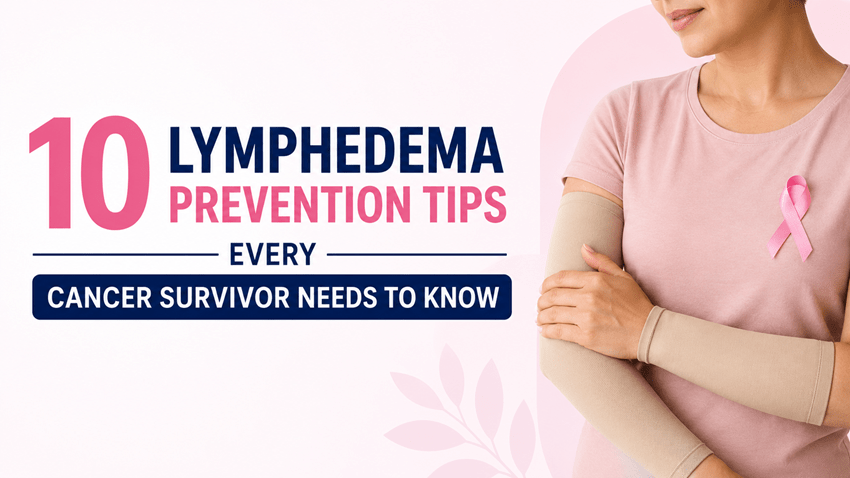
10 Lymphedema Prevention Tips Every Cancer Survivor Needs to Know
Completing cancer treatment is a remarkable milestone — but life after cancer treatment brings its own set of challenges. One of the most common yet least talked about post-treatment concerns is lymphedema. If you are a cancer survivor, understanding lymphedema prevention tips could protect you from one of the most uncomfortable and persistent complications of cancer treatment.
Dr. Pratik Patil, a leading Cancer Specialist in Pune and Medical Oncologist at Jupiter Hospital, Baner, Pune, regularly guides his patients on lymphedema prevention after cancer treatment. With over 14 years of experience in oncology, he emphasises that early awareness and simple daily habits are the most powerful tools a cancer survivor can have. This blog shares the 10 most important cancer survivor tips to keep lymphedema at bay — so you can live your best life after treatment.
What Is Lymphedema?
Lymphedema is a condition in which lymphatic fluid accumulates in the tissues, causing swelling — most commonly in the arms or legs. It occurs when the lymphatic system is damaged or disrupted — a common consequence of cancer surgery or radiation therapy that involves lymph nodes.
At its core, lymphedema is caused by lymphatic obstruction — a blockage in the lymphatic vessels that prevents normal fluid drainage from the body’s tissues. This lymphatic blockage leads to a build-up of protein-rich fluid, causing persistent swelling, heaviness, and discomfort in the affected limb.
Lymphedema symptoms include swelling in the arm or leg, a feeling of tightness or heaviness, reduced range of motion, recurring infections in the affected area, and thickening or hardening of the skin over time. Lymphedema causes range from surgical removal of lymph nodes to radiation damage, tumour pressure, and infection. Understanding these lymphedema causes is the first step towards effective prevention.
Who Is at Risk of Lymphedema After Cancer?
Not every cancer survivor develops lymphedema — but certain treatments and cancer types significantly raise the risk. You are at higher risk if you have:
- Undergone surgical removal of lymph nodes — particularly axillary (armpit) nodes for breast cancer or groin nodes for gynaecological or pelvic cancers
- Received radiation therapy targeting lymph node areas
- Had lymphedema after breast cancer surgery or other cancer surgeries involving lymph node dissection
- Experienced lymph node removal side effects, including numbness, tightness, or early swelling after surgery
- Undergone cancer treatment in Pune or elsewhere involving chemotherapy, targeted therapy in Pune, or immunotherapy in Pune that affected the lymphatic vessels
- Are overweight or obese — excess weight significantly increases the risk of developing lymphedema after cancer treatment.
- Had a post-surgical infection in the affected area
Breast cancer patients who have had axillary lymph node dissection carry one of the highest risks — making breast cancer lymphedema prevention a critical part of post-treatment care.
Why Prevention Is Better Than Treatment?
Once lymphedema develops, it becomes a lifelong condition that requires ongoing lymphedema management tips and consistent care. There is no complete cure — only management. This is why lymphedema prevention is so critically important.
Lymphedema treatment — including manual lymphatic drainage, compression therapy, specialised exercises, and skin care — is time-consuming, expensive, and requires lifelong commitment. In contrast, the lymphedema prevention tips in this blog are simple, free, and can be incorporated into your daily routine with minimal effort.
Chemotherapy side effects management already demands a great deal from patients — adding an avoidable condition like lymphedema only makes recovery harder. Prevention is always the smarter, easier, and more effective path.
Tip 1 — Protect Your Skin at All Times:
Skin infections are one of the most common triggers of lymphedema after cancer treatment. Any break in the skin — a cut, insect bite, scratch, or sunburn — on the affected arm or leg can introduce bacteria into compromised lymphatic tissue, triggering inflammation and swelling.
- Always keep the skin of the affected limb clean and well-moisturised
- Use insect repellent to prevent bites when outdoors
- Wear gloves when gardening, cooking, or doing household work
- Treat any cuts, scratches, or rashes immediately with antiseptic
- Avoid sunburn — always apply SPF 30 or higher sunscreen on the affected limb
- Never go barefoot if your legs are at risk — protect your feet from cuts and injuries
Tip 2 — Avoid Tight Clothing and Jewellery:
Anything that constricts the limb — tight sleeves, elastic bands, tight socks, or jewellery — can impede lymphatic flow and trigger or worsen swelling.
- Avoid tight bra straps, watch bands, or rings on the affected arm
- Choose loose, comfortable clothing that does not press into the skin
- Avoid carrying heavy bags on the shoulder of the affected arm
- Do not wear tight socks or stockings unless they are medically prescribed compression garments
- Choose well-fitting, supportive footwear if your legs are at risk
Tip 3 — Exercise Regularly — The Right Way:
Exercise is one of the most effective lymphedema prevention strategies available — but only when done correctly. The wrong type of exercise can strain the lymphatic system and increase the risk.
Safe lymphedema exercises include:
- Walking — The single best activity for lymphatic circulation. Aim for 30 minutes daily.
- Swimming — The gentle water pressure naturally supports lymphatic drainage
- Yoga and stretching — Improves lymphatic flow and reduce stiffness
- Light resistance training — Start very gradually and increase slowly under guidance
Avoid heavy lifting, sudden intense exercise, and working the affected limb to exhaustion. Always warm up before exercise and cool down after. If you notice any swelling, heaviness, or tightness during exercise — stop and rest. These lymphedema prevention tips around exercise are best discussed with your Oncologist in Pune before starting any new fitness routine.
Tip 4 — Maintain a Healthy Weight:
Obesity is one of the most significant and modifiable risk factors for lymphedema after cancer treatment. Excess body fat compresses lymphatic vessels and significantly increases the workload on an already compromised lymphatic system.
- Aim to reach and maintain a healthy BMI through a balanced diet and regular activity.
- Focus on anti-inflammatory foods — fresh vegetables, fruits, whole grains, and lean proteins.
- Reduce processed foods, excessive salt, and refined sugars — all of which promote fluid retention.
- Work with a nutritionist if needed — particularly important for breast cancer survivors, where maintaining a healthy weight is a key lymphedema prevention tip.
Tip 5 — Avoid Blood Pressure Cuffs and Injections on the Affected Arm or Leg:
This is one of the most important and often overlooked lymphedema prevention tips — especially for breast cancer survivors. Any compression or needle puncture in the affected limb can disrupt the already vulnerable lymphatic vessels.
- Always inform medical staff, nurses, and doctors that you are a cancer survivor with lymphedema risk.
- Request that blood pressure readings, blood draws, and intravenous lines be done on the unaffected arm only.
- Carry a medical alert card or wear a bracelet that states your lymphedema risk.
- This is particularly critical for breast cancer lymphedema prevention — women who have had axillary lymph node dissection must be especially vigilant about this.
Tip 6 — Elevate the Affected Limb Daily:
Gravity is your ally when it comes to lymphatic drainage. Elevating the at-risk arm or leg above heart level encourages lymphatic fluid to drain away from the extremity naturally.
- Elevate your arm on a pillow when resting or sleeping.
- When sitting for long periods, keep your legs elevated on a footrest or cushion.
- Avoid standing or sitting with your feet hanging down for extended periods — particularly on long flights or car journeys.
- During travel, stand up and walk around frequently to prevent fluid pooling in the lower limbs.
Tip 7 — Stay Well Hydrated:
Staying properly hydrated supports healthy lymphatic circulation. Dehydration causes the lymphatic fluid to thicken — making it harder for a compromised lymphatic system to move fluid efficiently.
- Drink at least 8 to 10 glasses of water daily
- Limit caffeine and alcohol — both cause dehydration and can worsen fluid retention
- Include water-rich foods in your diet — cucumber, watermelon, and leafy greens
- Avoid excessive salt intake — sodium causes the body to retain fluid, placing extra strain on the lymphatic system
Tip 8 — Wear Compression Garments When Recommended:
Lymphedema compression garments — specially designed sleeves, stockings, or gloves — apply controlled pressure to the affected limb, supporting lymphatic drainage and preventing fluid accumulation.
- Always wear a medically prescribed compression sleeve or stocking during air travel — changes in cabin pressure significantly increase lymphedema risk.
- Wear compression garments during any strenuous physical activity if recommended by your doctor.
- Ensure your compression garment fits properly — one that is too tight or too loose is counterproductive.
- Have your garment professionally fitted — ill-fitting compression garments can worsen lymphedema swelling in the arm rather than improve it.
- Replace your garments every 4 to 6 months as they lose elasticity over time.
Tip 9 — Avoid Extreme Heat:
Heat causes blood vessels and lymphatic vessels to dilate — increasing fluid leakage into the tissues. For cancer survivors at risk of lymphedema, extreme heat is one of the most common and avoidable triggers.
- Avoid saunas, steam rooms, and hot tubs entirely.
- Keep hot baths or showers to a minimum — lukewarm water is safer.
- Avoid prolonged direct sun exposure on the affected limb.
- Do not apply heat packs or heating pads to the at-risk arm or leg.
- Stay cool in hot weather — wear lightweight, breathable clothing and stay indoors during peak afternoon heat, particularly important in Pune’s summer months.
Tip 10 — Regular Follow-Up With Your Oncologist:
The single most underrated lymphedema prevention tip is simply staying connected with your Medical Oncologist in Pune. Regular follow-up appointments allow your doctor to detect the earliest signs of lymphatic enlargement or lymphatic blockage before they develop into full lymphedema.
- Schedule follow-up appointments with your Oncologist in Pune every 3 to 6 months post-treatment
- Report any new swelling, heaviness, or tightness in the affected limb immediately — do not wait for your next scheduled appointment.
- Discuss any new activities, travel plans, or health concerns that may affect your lymphedema risk.
- Ask your doctor about a personalised lymphedema management plan — including exercise, compression, and skin care recommendations specific to your cancer type and treatment history.
Dr. Pratik Patil routinely incorporates lymphedema screening into his post-treatment follow-up consultations — ensuring every cancer survivor at risk is monitored and guided proactively.
Early Warning Signs of Lymphedema You Should Never Ignore:
Catching lymphedema early dramatically improves treatment outcomes. Watch for these lymphedema symptoms and seek medical attention immediately if any appear:
- Swelling in the arm, hand, leg, or foot — particularly a swollen arm after cancer surgery that does not subside with elevation
- A feeling of heaviness or fullness in the affected limb
- Tightness or reduced flexibility in the hand, wrist, or ankle
- Skin changes — thickening, hardening, or a leathery texture in the affected area
- Recurring infections — redness, warmth, or pain in the limb that may indicate cellulitis
- Visible lymphatic enlargement — visibly enlarged limb compared to the other side
- Aching or discomfort in the affected arm or leg that is persistent and unexplained
- Rings, watches, or clothing feeling tighter on the affected side without weight gain.
Any of these signs warrants an immediate visit to an Oncologist in Pune — early lymphedema treatment is far more effective than treating an established, advanced case.
When to See an Oncologist in Pune?
You should consult a Medical Oncologist in Pune if:
- You notice any early warning signs of lymphedema listed above.
- You are a cancer survivor who has never received formal lymphedema risk counselling.
- You are planning surgery, travel, or a new exercise routine, and want guidance on lymphedema prevention tips specific to your situation.
- Your existing lymphedema symptoms are worsening despite following prevention strategies.
- You want a second opinion cancer Pune consultation regarding your post-treatment care plan.
- You are more than 6 months post-treatment and have never had a follow-up lymphedema assessment.
For expert post-cancer care and lymphedema prevention guidance, consult Dr. Pratik Patil at Jupiter Hospital, Baner, Pune. With over 14 years of experience in cancer treatment in Pune, Dr. Pratik Patil provides personalised survivorship care plans — helping every patient live a full, healthy, and confident life after cancer.
Conclusion:
Lymphedema does not have to be an inevitable part of life after cancer. With the right lymphedema prevention tips, consistent daily habits, and regular follow-up with your oncologist, most cancer survivors can significantly reduce their risk of developing this condition. The ten tips in this blog are simple, evidence-based, and proven to make a real difference — starting from today.
Lymphedema management tips work best when started early — ideally before any swelling develops. Do not wait for symptoms to appear. Take action now, stay vigilant, and partner with a trusted Medical Oncologist in Pune who will guide you every step of the way.
For expert lymphedema prevention guidance and comprehensive cancer survivorship care, book your consultation with Dr. Pratik Patil — Cancer Specialist in Pune — at Jupiter Hospital, Baner, Pune today. Call +91 9637439163.
Frequently Asked Questions (FAQ's):
Lymphedema को हिंदी में लसीका शोफ या लिम्फ एडिमा कहते हैं। यह एक ऐसी स्थिति है जिसमें शरीर के किसी अंग — जैसे हाथ या पैर — में लसीका द्रव (lymph fluid) जमा हो जाता है और सूजन आ जाती है। यह समस्या कैंसर के उपचार के बाद, विशेषकर लिम्फ नोड हटाने के बाद, अधिक देखी जाती है।
Lymphedema is a chronic condition where lymphatic fluid accumulates in the tissues due to lymphatic obstruction — most commonly after lymph node removal during cancer surgery. While it cannot always be completely prevented, following structured lymphedema prevention tips — including skin protection, exercise, compression garments, and regular follow-up with your Oncologist in Pune — can dramatically reduce the risk of developing the condition.
Early warning signs include unexplained swelling in the arm or leg, a feeling of heaviness or tightness, skin thickening, reduced joint flexibility, recurring infections in the limb, and clothing or jewellery feeling tighter on one side. Any of these lymphedema symptoms after cancer treatment warrant an immediate consultation with a Cancer Specialist in Pune.
The safest lymphedema exercises for breast cancer survivors include walking, swimming, gentle yoga, and light resistance training introduced gradually. These activities promote lymphatic circulation without overloading the compromised lymphatic system. Always consult your Medical Oncologist in Pune before starting any new exercise programme — particularly if you have undergone axillary lymph node dissection as part of your breast cancer treatment.
Currently, lymphedema has no complete cure — it is a lifelong condition that requires ongoing lymphedema management. However, with consistent adherence to lymphedema prevention tips, compression therapy, manual lymphatic drainage, and regular monitoring, most patients maintain excellent quality of life with minimal disruption. Early detection and treatment significantly improve outcomes — which is why regular follow-up with your Oncologist in Pune is essential.
A cancer survivor should see an Oncologist in Pune immediately if they notice any swelling, heaviness, tightness, or skin changes in the affected limb. Even without symptoms, any cancer survivor who has had lymph node removal should schedule a formal lymphedema risk assessment as part of their post-treatment follow-up. Dr. Pratik Patil at Jupiter Hospital, Baner, Pune, provides comprehensive post-cancer survivorship care — including personalised lymphedema prevention and monitoring.