
- 19/02/2026
- Dr. Pratik Patil
- 0 Comments
- Blog
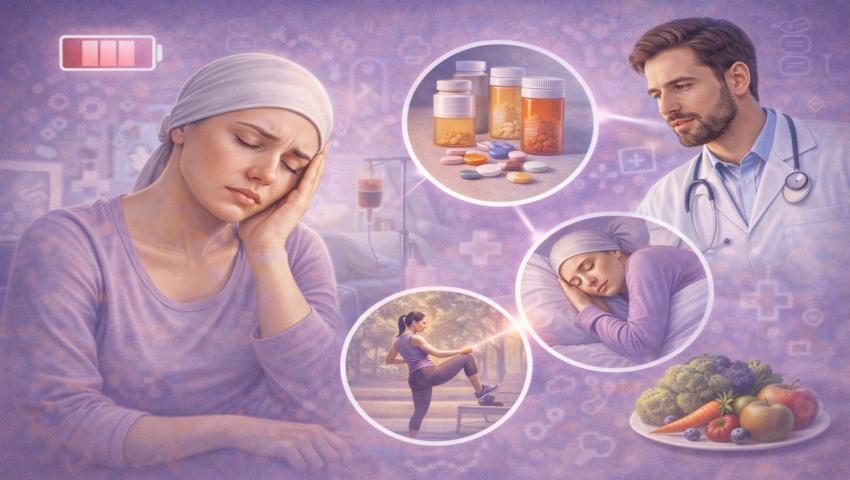
How to Manage Cancer Treatment Fatigue?
Do you feel tired even after resting?
Does simple daily work feel exhausting during cancer care?
Cancer Treatment Fatigue is one of the most common challenges patients face. Understanding why it happens and how to manage it can make a big difference in daily life. With guidance from an experienced cancer specialist like Dr. Pratik Patil, who has over 14+ years of expertise in medical oncology, patients receive personalised care focused not only on treating cancer but also on managing side effects like fatigue, weakness, and loss of energy.
On This Page:
- What cancer treatment fatigue really means?
- Why does fatigue start even before treatment?
- How long can fatigue last after cancer care?
- Practical ways and remedies to feel better:
What Is Cancer Treatment Fatigue?
Cancer treatment fatigue is not normal tiredness. It is a deep feeling of exhaustion that does not go away with sleep.
This fatigue can affect both the body and mind, making it hard to concentrate or stay motivated. It may continue even on days when there is no treatment, affecting daily routines and emotional well-being.
Patients often describe it as:
- Heavy body
- Low energy all day
- Mental tiredness
- Lack of motivation
This fatigue can affect both the body and mind.
Why Fatigue Happens Before, During, and After Cancer Treatment?
1. Before Treatment:
- Diagnosis & Stress: The shock of a cancer diagnosis, repeated tests, and emotional pressure can drain energy early. This mental stress affects sleep, appetite, and focus, leading to constant tiredness even before treatment begins.
- Cancer Itself: Cancer can increase the body’s energy use, cause inflammation, or lead to anemia. Because of this, cancer and fatigue before treatment—including prostate cancer fatigue before treatment—is commonly reported by patients.
2. During Treatment:
- Chemotherapy: Chemotherapy affects healthy cells along with cancer cells, leading to anemia, nausea, vomiting, and inflammation. These changes often result in lack of energy, nausea, and fatigue that may worsen over treatment cycles.
- Radiation Therapy: Radiation-related fatigue usually builds up gradually as sessions continue. Many patients notice increasing weakness and reduced stamina as the body responds to radiation exposure.
- Surgery: Healing after surgery consumes a large amount of physical energy. Pain medicines, anesthesia effects, and limited movement further slow recovery and increase exhaustion.
- Other Cancer Treatments: Hormone therapy, targeted therapy, and immunotherapy can also cause ongoing fatigue. These treatments may disturb hormone balance and immune responses, affecting daily energy levels.
- Common Treatment-Related Issues: Low blood counts, dehydration, pain, appetite loss, infection, and poor sleep worsen fatigue. When combined, these issues can lead to persistent exhaustion, nausea, and reduced quality of life.
3. After Treatment:
- Lingering Effects: Fatigue can continue for months or even longer after treatment ends. This explains why fatigue 1 year after cancer treatment is considered normal for many survivors.
- Biological Changes: Inflammation and changes in immune or hormone systems may remain active after therapy. These internal changes can silently reduce energy even when scans show recovery.
- Psychological Factors: Anxiety, low mood, and mental exhaustion may persist after cancer care. Emotional recovery often takes longer than physical healing and directly affects fatigue.
- Activity Balance: Too much rest can weaken muscles, while overexertion can cause sudden energy crashes. Maintaining gentle, regular activity helps the body regain strength without worsening fatigue.
Cancer and Fatigue Before Treatment – What Patients Feel?
Before treatment begins, many patients already experience fatigue-related symptoms.
- Constant tiredness: Patients feel exhausted throughout the day, even without physical activity or effort.
- Body heaviness: The body may feel weak or heavy, making routine movements feel slow and difficult.
- Poor sleep: Stress, anxiety, and physical discomfort often disturb sleep, preventing proper rest.
- Low appetite: Reduced hunger leads to poor nutrition, which further lowers energy levels.
- Prostate cancer–related fatigue: In some cases, prostate cancer fatigue before treatment occurs due to hormonal imbalance and emotional stress, causing early weakness and low stamina.
Common Symptoms: Lack of Energy, Nausea, and Exhaustion
Fatigue often comes with other symptoms such as:
- Lack of energy, nausea, fatigue
- Body pain
- Dizziness
- Exhaustion nausea
- Poor focus
Many patients describe these symptoms as thakan ke karan that affects routine life.
Fatigue 1 Year After Cancer Treatment – Is It Normal?
Yes, for some patients it is normal.
Fatigue 1 year after cancer treatment can happen due to:
- Slow body recovery
- Long-term treatment effects
- Emotional stress
This does not mean cancer has returned. However, ongoing fatigue should always be discussed with a doctor.
Cancer Fatigue Guidelines Dr. Pratik Patil Follow
Dr. Pratik Patil and his team follow established cancer fatigue guidelines to manage exhaustion in a structured, step-by-step way. By prioritizing patient comfort, they ensure that fatigue is addressed as a vital part of the recovery process.
Routine fatigue screening:
Fatigue is checked regularly from the time of diagnosis using simple rating scales, so it is not missed or ignored.
Identifying the cause:
When fatigue is moderate to severe, doctors look for correctable reasons such as anemia, pain, infections, poor sleep, or emotional stress.
Treating medical factors:
Conditions like low blood counts, dehydration, or infections are treated early to reduce exhaustion.
Individualized fatigue care plan:
Management is tailored based on treatment stage, overall health, and patient needs, rather than a one-size-fits-all approach.
Ongoing monitoring and support:
Fatigue management continues throughout cancer care, making it a regular and important part of treatment—not something patients should silently live with.
5 Practical Ways to Cope With Cancer Fatigue:
Simple steps can help you cope with cancer better:
- Take short rest breaks
- Do light physical activity like walking
- Sleep at regular times
- Accept help from family
- Plan tasks when energy is higher
These steps support gradual recovery.
Treatment of Fatigue During Cancer Care:
The treatment of fatigue during cancer care depends on what is causing the exhaustion. Doctors usually manage it using a combination of medical care and daily lifestyle support.
- Treating underlying medical causes: Low blood levels (anemia), infections, dehydration, or nutritional deficiencies are corrected first, as these are common thakan ke karan during treatment. Managing pain, exhaustion, nausea, and sleep problems can quickly reduce fatigue levels.
- Adjusting cancer treatment when needed: If fatigue is linked to chemotherapy, radiation, or hormone therapy, doctors may adjust doses or schedules to reduce side effects without affecting cancer control.
- Medicines for severe tiredness: In selected cases, tiredness medicine may be prescribed to help with extreme exhaustion, poor focus, or low energy. While there is no single fatigue cure, these medicines can improve daily functioning.
- Lifestyle changes that support recovery: Light physical activity, such as walking or gentle yoga, helps fight lack of energy, nausea fatigue and improves stamina. Balanced meals, good hydration, and short planned rest periods act as simple but effective tiredness remedies.
- Mental and emotional support: Stress, anxiety, and emotional overload often worsen fatigue. Counseling, relaxation techniques, and mindfulness help patients cope with cancer and support long-term exhaustion cure.
- Complementary therapies: Therapies like massage, meditation, or acupuncture may help some patients and are often used as a supportive remedy for fatigue alongside medical treatment.
Overall, fatigue improves when care is personalised. While there is no instant fatigue cure, a well-planned approach significantly improves comfort, energy, and quality of life during cancer treatment.
Natural Remedies and Tiredness Remedies That Help:
Some safe tiredness remedies include:
- Balanced meals with enough protein
- Adequate water intake
- Gentle yoga or breathing exercises
- Daytime sunlight exposure
These act as a remedy for fatigue and support natural healing. Many patients look for a cure to fatigue, and these small changes often help more than expected.
Conclusion:
Cancer treatment fatigue is common, real, and manageable. With the right guidance, support, and treatment, energy levels can improve over time. Leading cancer hospitals Pune emphasize that you should never ignore long-lasting tiredness, as early care helps prevent complications and improves daily comfort.
FAQs on Cancer Fatigue:
Fatigue can be reduced by maintaining good nutrition, staying hydrated, doing light physical activity, getting proper sleep, and managing stress. Early reporting of tiredness to your doctor helps prevent severe fatigue.
Body weakness improves with balanced meals, iron and vitamin correction, gentle exercise, and proper rest. Treating pain, infections, or low blood counts also helps restore strength.
Exhaustion is treated by identifying its cause—such as anemia, dehydration, or poor sleep—and managing it with medicines, lifestyle changes, and supportive therapies.
There is no instant fatigue cure, but fatigue can be well controlled. With proper treatment, energy levels gradually improve over time, especially after cancer treatment ends.
Short walks, planned rest breaks, small frequent meals, and stress management techniques help reduce daily weakness and tiredness.
Natural tiredness remedies include light exercise, meditation, good sleep habits, hydration, and avoiding alcohol or tobacco.
Extreme fatigue requires medical evaluation. Doctors may treat anemia, adjust cancer medicines, or prescribe tiredness medicine if needed.
Fatigue usually improves gradually. While there may not be a single cure, most patients see steady recovery with proper care and follow-up.
Cancer aur uske treatment se body ki energy kam ho jati hai, blood levels gir sakte hain, aur stress bhi badhta hai—isi wajah se weakness hoti hai.
Thakan kam karne ke liye balanced diet, pani zyada peena, halka exercise, aur sahi rest bahut zaroori hota hai. Doctor se baat karna bhi important hai.
Chemo fatigue is common. Managing nausea, maintaining nutrition, light activity, and planned rest can help. Always inform your doctor if fatigue becomes severe.
Yes. Even early-stage cancer can cause fatigue due to emotional stress, inflammation, or changes inside the body—sometimes even before treatment starts.