
- 24/02/2026
- Dr. Pratik Patil
- 0 Comments
- Blog
Can Chemotherapy Cure Cancer? Understanding How It Works
Discovering that you or a loved one needs chemotherapy can bring up many questions. Chief among them is: “Can chemotherapy really cure cancer?” While the word “chemo” often sounds intimidating, it remains one of the most powerful and effective tools in modern oncology.
When navigating this journey, having an expert by your side is essential. Dr. Pratik Patil, a highly respected Best Oncologist Pune with over 14 years of experience, specializes in providing personalized cancer care. As a leading Chemotherapy Specialist, Dr. Pratik Patil practices at Jupiter Hospital, Baner, where he combines advanced medical technology with a compassionate, patient-first approach to ensure the best possible outcomes.
In this blog, you will learn...
- How chemotherapy targets and destroys cancer cells?
- The difference between curative and palliative chemo.
- What a typical cycle of chemotherapy looks like?
- Insights on side effects and recovery from Pratik Patil.
What Is Chemotherapy and How Does It Work?
To define chemotherapy (or chemotherapeutic definition) simply: it is a type of cancer therapy chemotherapy that uses potent anti cancer drugs to stop or slow the growth of cancer cells.
Cancer cells are different from normal cells because they divide and multiply much faster. Chemotherapy works by attacking these fast-growing cells. Because the drugs travel through the bloodstream, it is considered a “systemic” treatment, meaning it can reach cancer cells almost anywhere in the body.
Classification of Chemotherapeutic Agents:
Not all cancer and drugs are the same. The classification of chemotherapy agents includes several groups:
Alkylating Agents
These damage the DNA of cancer cells to keep them from reproducing.
Antimetabolites
These mimic the nutrients cells need to grow, effectively "starving" the cancer.
Plant Alkaloids
Derived from natural sources, these stop cells from dividing.
Antitumor Antibiotics
These are not like regular antibiotics; they change the DNA inside cancer cells to kill them.
The Procedure of Chemotherapy: How Is It Done?
Many patients feel anxious about the procedure of chemotherapy. Knowing how is chemotherapy done can help ease those fears.
1. Preparation: Your Medical Oncologist in Pune will run blood tests to ensure your body is ready.
2. Administration:
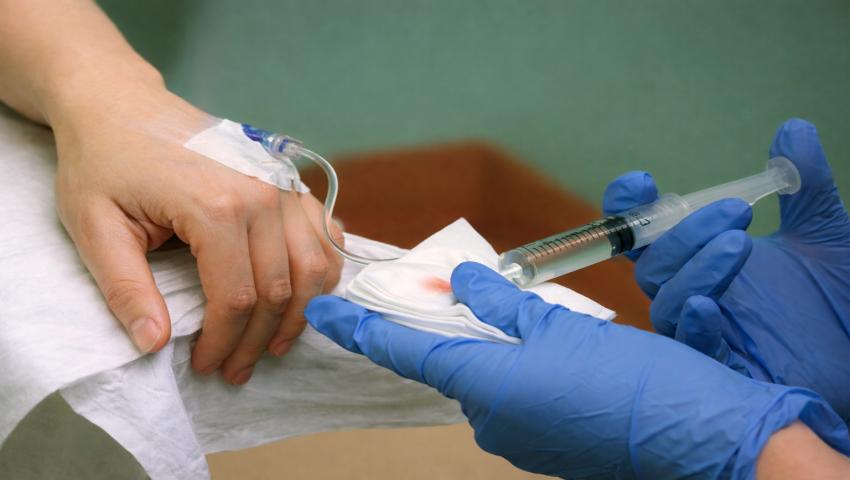
- IV Infusion: The most common method. A nurse uses an infusion set iv to deliver drugs directly into a vein. In some cases, a “port” is placed under the skin for easier access.
- Chemotherapy by Pill: Some treatments come as pills for cancer that you can take at home.
- Injections: Just like a standard shot into a muscle or under the skin.
3. The Cycle: Treatment is given in a cycle of chemotherapy. This means you might have treatment for a day or a week, followed by a rest period (usually 2-3 weeks) to let your body recover.
Can Chemotherapy Really Cure Cancer?
The answer is yes, but it depends on the type and stage of the disease. In medical terms, when a doctor aims to “cure” cancer, they use the phrase “curative intent.”
When Can Chemotherapy Cure Cancer?
Chemotherapy is often the primary treatment (and can be a complete cure) for:
- Chemotherapy treatment leukemia: Many types of blood cancers respond exceptionally well to chemo.
- Testicular Cancer: One of the most curable cancers with chemotherapy.
- Lymphoma: Often highly treatable with chemotherapeutic treatment.
When Chemotherapy Is Used to Control — Not Cure?
Sometimes, the goal shifts from “cure” to “control.” This is common in advanced chemotherapy treatment lung cancer or chemotherapy treatment for ovarian cancer. In these cases, the drugs:
- Shrink the tumor to reduce pain.
- Stop the cancer from spreading further.
- Extend the patient’s life while maintaining quality.
Factors That Affect Chemotherapy Success Rate:
Several things determine how well the treatment will work:
- Cancer Type & Stage: Some “liquid” cancers like leukemia are more sensitive to chemo than “solid” tumors.
- Age and General Health: A stronger body can often handle more intensive cycles.
- Previous Treatments: Whether you’ve had chemo vs radiation before affects the current plan.
Chemotherapy with Other Treatments:
Rarely is chemotherapy used alone. Dr. Pratik Patil, a renowned chemotherapy specialist, often combines it with other methods:
- Neoadjuvant Chemotherapy: Given before surgery to shrink a tumor.
- Adjuvant Chemotherapy: Given after surgery to kill any “hidden” cells.
- Chemoradiation: A combination of chemotherapy with radiation therapy. The chemo makes the cancer cells more sensitive to the radiation.
- Immunotherapy: Sometimes immunotherapy medicine is used alongside chemo to boost the body’s natural defenses.
Side Effects of Chemotherapy:
Because chemo targets fast-growing cells, it can also affect healthy fast-growing cells like those in your hair, mouth, and gut. Common chemotherapy effects include:
- Fatigue: Feeling very tired.
- Nausea: Managed today with high-quality anti-nausea medicine.
- Hair Loss: Though difficult, hair growth post chemo usually starts within a few weeks of finishing treatment.
- Infection Risk: Chemo can lower your white blood cell count.
What Patients Should Expect – Insights from Dr. Pratik Patil?
According to Dr. Pratik Patil, the Best Oncologist Pune, the journey is as much about mental strength as it is about medicine.
“At Jupiter Hospital, Baner, we don’t just treat the tumor; we treat the person. We focus on ‘Supportive Care’—using things like liquid iv for hydration and specific pills for cancer to manage side effects, so our patients can live their lives during treatment.”
Patients often worry about chemotherapy drugs cost. While the chemotherapy medicine price varies based on the type of chemotherapy drugs used, Dr. Patil and his team work to find the most cost-effective and efficient path for every family.
Conclusion:
So, can chemotherapy cure cancer? For many, it is the bridge to a cancer-free life. For others, it is a vital tool for long-term survival and comfort. The key is early diagnosis and a personalized plan from a trusted Cancer Specialist.
If you are looking for a Medical Oncologist in Pune who offers both world-class expertise and deep empathy, consider consulting Dr. Pratik Patil at Jupiter Hospital, Baner.
Contact Dr. Pratik Patil Today:
Phone: +91 96374 39163
FAQ's About Can Chemotherapy Cure Cancer:
Yes, chemotherapy can cure cancer in many cases, particularly blood cancers like leukemia or early-stage solid tumors. When the primary goal is a complete cure, it is called “curative intent.” In advanced stages, it helps control the disease and extend life.
Not all chemotherapy drugs cause hair loss. While many potent drugs target fast-growing cells (including hair follicles), some treatments only cause hair thinning, and others result in no hair loss at all. For personalized guidance, you can consult Dr. Pratik Patil, a leading specialist at Jupiter Hospital, Baner, who assesses each case individually.
The main difference is their target: antibiotics are designed to kill or inhibit bacteria causing infections, while chemotherapy (in the cancer context) uses anti-cancer drugs to destroy rapidly dividing cancer cells. Antibiotics do not treat cancer, and chemo is generally much stronger.
The duration varies for everyone. A single infusion session can last from 20 minutes to several hours. A total “course” typically lasts between 3 to 6 months, divided into “cycles” (treatment days followed by rest periods) to allow your body to recover.
No, chemotherapy is not just for cancer. While it is the most common use, lower doses of chemotherapy drugs are also used to treat autoimmune diseases like Rheumatoid Arthritis and Lupus, as well as certain rare blood disorders.