
- 29/01/2023
- Dr. Pratik Patil
- 0 Comments
- Blog
All About Lymphoma
Lymphoma is a serious illness. Fortunately, lymphoma treatments continue to improve, helping people to live longer. Dr. Pratik Patil is the best Cancer Specialist in Pune having more than 14 years of experience and treating thousands of patients. On this Page, Dr. Pratik Patil shares some information about the lymphoma cancer type and its treatment option availability. Let’s See
What is Lymphoma?
Lymphoma is a type of blood cancer that affects the immune system. It specifically affects white blood cells called lymphocytes, which are an important part of your immune system. Lymphoma is also called cancer of the lymphatic system, lymph node cancer, or lymphatic cancer.
While some people still search for the lymphosarcoma meaning, this term was older terminology for what we now commonly call lymphoma. Lymphoma happens when one of your white blood cells changes into rapidly growing cancer cells that don’t die. Early diagnosis and more effective treatments mean more people are living with lymphoma five years after diagnosis. Nearly 90% of people with lymphoma are alive five years after diagnosis. More than 70% of adults with lymphoma are alive five years after diagnosis.
Causes For Lymphoma Cancer:
Lymphoma is a type of blood cancer that develops in the lymphatic system, which is part of your body’s germ-fighting network. While the exact reason why cells start growing abnormally is often unclear, medical research has identified several key factors that contribute to lymphomas causes.
Common Factors Linked to Lymphomas Causes:
- Genetic Mutations: Changes or “errors” in the DNA of white blood cells cause them to multiply uncontrollably instead of dying.
- Weakened Immune System: People with HIV/AIDS or those taking medicines after an organ transplant have a higher risk.
- Chronic Infections: Certain viral infections like Epstein-Barr virus or Hepatitis C are known to trigger lymphoma in some patients.
- Age Factor: While it can happen at any age, certain types are more common in young adults, while others mostly affect people over 55.
- Chemical Exposure: Long-term exposure to specific industrial chemicals, pesticides, or weed killers may increase the risk.
- Autoimmune Diseases: Conditions like Rheumatoid Arthritis or Celiac disease can sometimes lead to the development of lymphoma.
If you are experiencing persistent swelling in your neck, armpits, or groin, it is important to consult a specialist immediately.
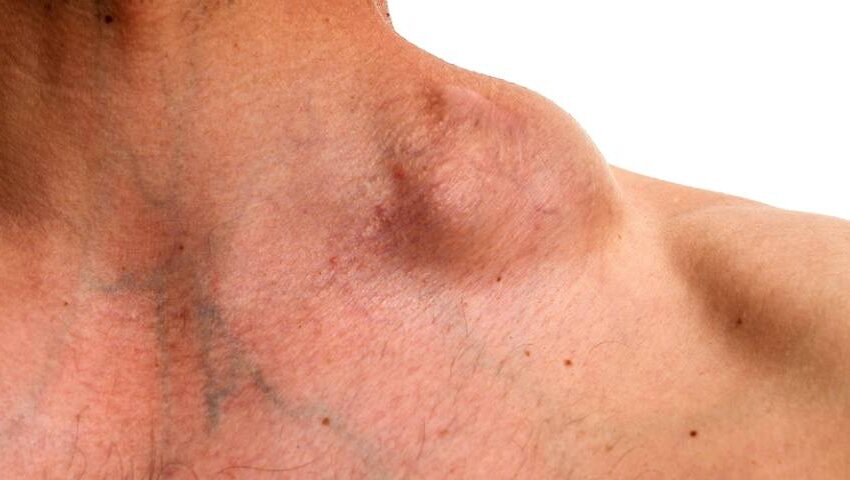
Cancer Of Neck Lymph Nodes Symptoms:
Symptoms of lymphoma can vary depending on the type and stage of the disease, but some common signs and symptoms include
- Swelling of the lymph nodes: One of the most common symptoms of lymphoma is the enlargement of lymph nodes, which can cause pain or discomfort in the neck, armpit, or groin.
- Fatigue: Many people with lymphoma experience persistent fatigue or weakness that is not related to any specific activity or event.
- Unexplained weight loss: Losing weight without trying can be a sign of lymphoma.
- Itchy skin: Some people with lymphoma experience itching all over the skin, especially at night.
- Night sweats: Many people with lymphoma experience drenching night sweats, which can be accompanied by fever.
- Chest pain or shortness of breath: Some people with lymphoma may experience chest pain or shortness of breath.
- Abdominal pain or swelling: Some people with lymphoma may experience abdominal pain or swelling.
- Skin changes: some types of lymphoma can lead to red or purple raised patches or lumps on the skin.
It’s important to note that these symptoms can be caused by many other conditions and are not always a definitive sign of cancer. However, if you experience any of these persistent changes, you must visit Dr. Pratik Patil, a leading Lymphoma cancer specialist in Pune, or your nearest cancer specialist doctor for an accurate diagnosis.
Lymphoma Treatment in Pune:
When you are diagnosed with Lymphoma Cancer then our Best Oncologist In Pune Dr. Pratik Patil first gives the idea about the treatment to patients. The treatments you have will depend on the type of lymphoma you have, how far it has spread (its stage) and whether you have symptoms. Lymphoma treatments include:
- Chemotherapy
- Radiotherapy
- Targeted therapies.
If you have a slow-growing lymphoma, you may not need treatment straight away, and some people never need it.
How Dr. Pratik Patil helps you in Lymphoma treatment in Pune?
Dr. Pratik Patil is the best Cancer Specialist in Pune with experience of more than 10 years of treating various types of cancers. Due to his excellent success rates, Dr. Pratik Patil is a referral cancer specialist for lymphoma patients from across Maharashtra. When you come for cancer treatment, then Dr. Pratik Patil provides
- Support – Dr. Pratik Patil & his team provide complete support during the treatment and after the treatment. Also there to help with problems and questions you or your family may have.
- A treatment plan that’s right for you – Dr. Pratik Patil gives the right treatment you need and shares the right treatment plan for you. He supports and creates treatment plans that are personalized for every patient.
- Access to the latest treatments – Dr. Pratik Patil & his team is always trying to patient access the latest treatments available to patients – often giving them a better outcome.
For more information about lymphoma treatment and other treatment options, or to book an appointment with the best oncologist in Pune call +91 9637439163 or Click on Book Appointment for online booking.
FAQs About Best Lymphoma Doctor In Pune:
While there are over 70 subtypes, the 8 most commonly discussed types include Hodgkin’s Lymphoma, Diffuse Large B-cell Lymphoma (DLBCL), Follicular Lymphoma, Mantle Cell Lymphoma, Burkitt Lymphoma, Marginal Zone Lymphoma, T-cell Lymphoma, and Chronic Lymphocytic Leukemia (CLL/SLL). Each type behaves differently and requires a specific treatment plan from a Lymphoma cancer specialist in Pune.
The most common early sign is a painless swelling of the lymph nodes in the neck, armpits, or groin. Other "B-symptoms" include drenching night sweats, persistent fever, unexplained weight loss, and an unusual itching sensation on the skin. If you notice these signs, it is vital to visit Dr. Pratik Patil at Jupiter Hospital, Baner for a clinical evaluation.
The "severity" depends entirely on the type and stage at which it is diagnosed. Some lymphomas are "indolent" (slow-growing) and can be managed like a chronic disease for many years, while others are "aggressive" and need immediate treatment. Fortunately, with modern therapies like Immunotherapy and Targeted Therapy, lymphoma is now considered one of the most treatable and curable forms of cancer.